Fellowship of The Explorers Club
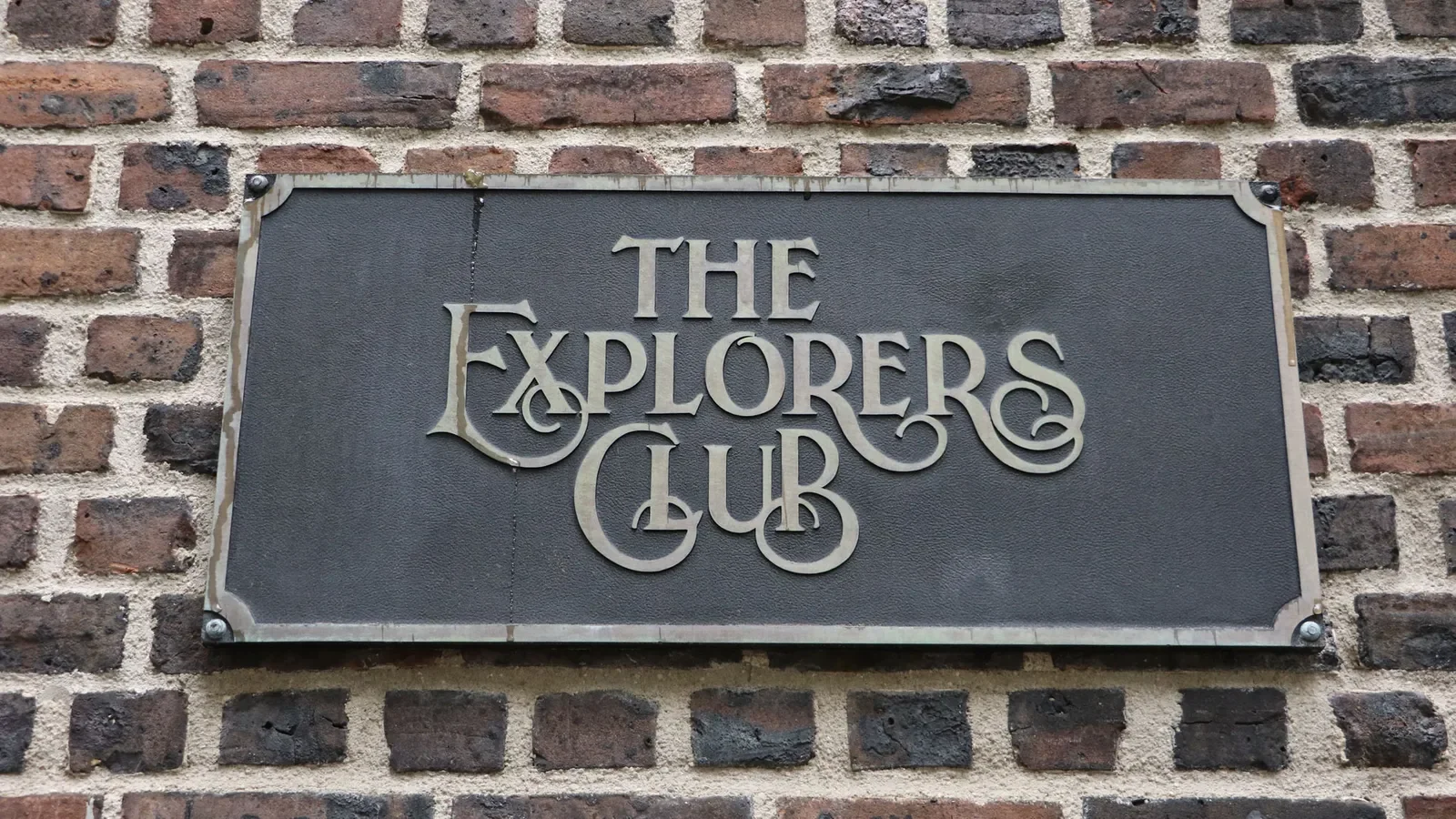
Photo: Mike MacEacheran
I recently applied to join The Explorers Club as a member, and was somewhat surprisingly elected as a Fellow this month. Founded in 1904, the Club’s mission is to advance field research, scientific exploration, and resource conservation, a goal that continues to guide its work today.
Many people know of The Explorers Club through its association with some of the most significant achievements in exploration history. Its members have been involved in landmark “firsts,” including reaching the South Pole, summiting Everest, descending to the deepest point in the ocean, and landing on the Moon.
Fellows and members have included figures such as Roald Amundsen, Ed Hillary, Neil Armstrong, Jane Goodall, and Jacques Cousteau. Individuals who have helped define modern exploration in very different ways.
Originally established in New York as a gathering place for explorers, the Club has since evolved into a global, multidisciplinary society. Today, it supports field expeditions and scientific research, awards grants for exploration, and connects a worldwide network of explorers, scientists, and researchers across international chapters. The Club also hosts lectures, events, and publications that aim to share knowledge from the field and inspire wider public engagement with exploration.
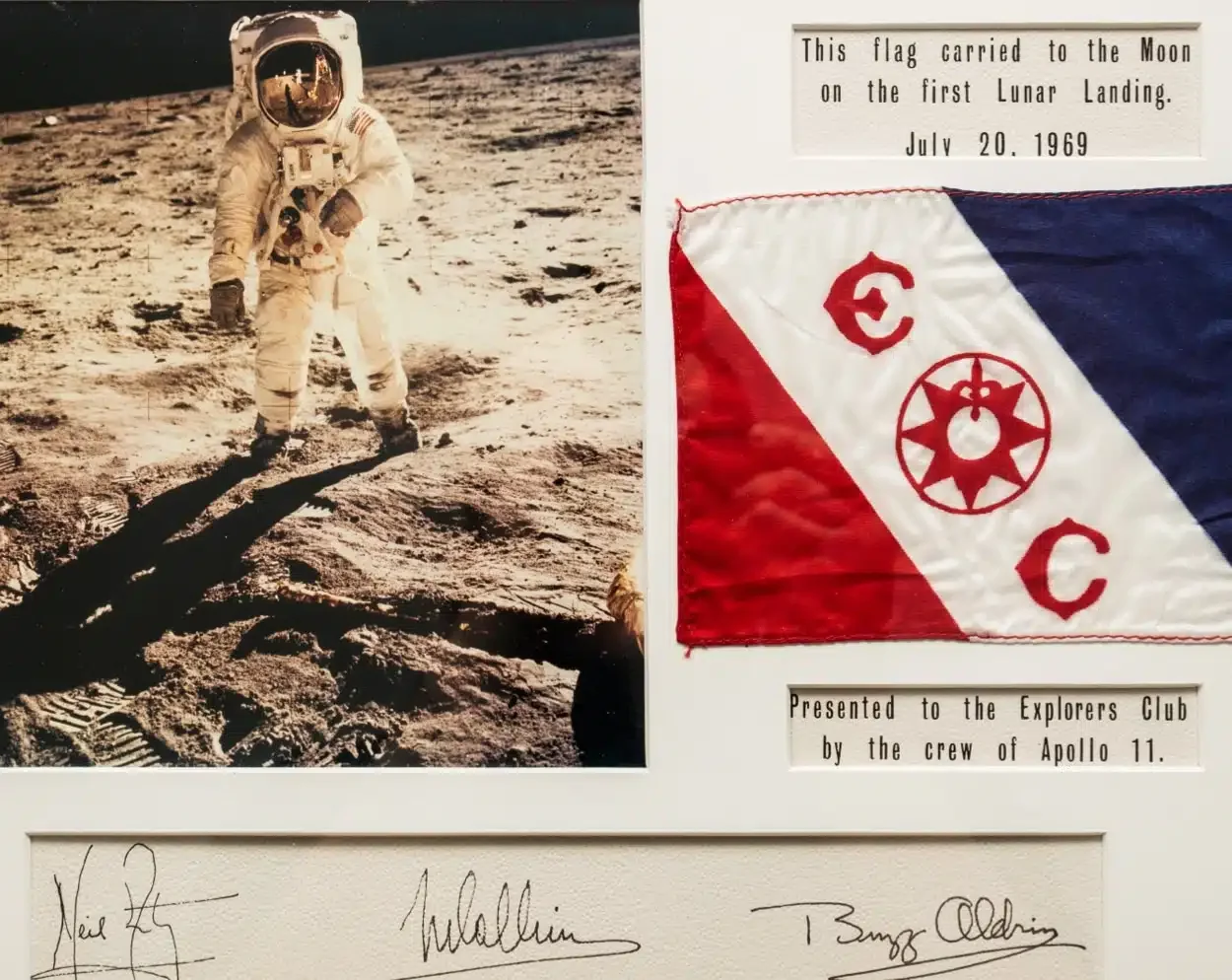
This Explorers Club Flag was carried to the Moon by Neil Armstrong on the Apollo 11 Moon landing. Photo: The Explorers Club
What is a Fellow?
The Explorers Club has several tiers of membership, but the distinction between Member and Fellow is an important one. Membership is open to individuals who can demonstrate a clear interest in exploration and who are supported by references within the Club. Fellowship, however, is a more selective grade. It is reserved for those who can demonstrate sustained and meaningful contributions to exploration or scientific knowledge, typically through fieldwork, expeditions, research, or published work.
In other words, while Members are part of the Club’s community, Fellows are recognised for having already contributed to the advancement of exploration in a substantive way.
I had applied with the expectation of joining as a Member, so being elected directly to Fellowship was both unexpected and hugely appreciated.
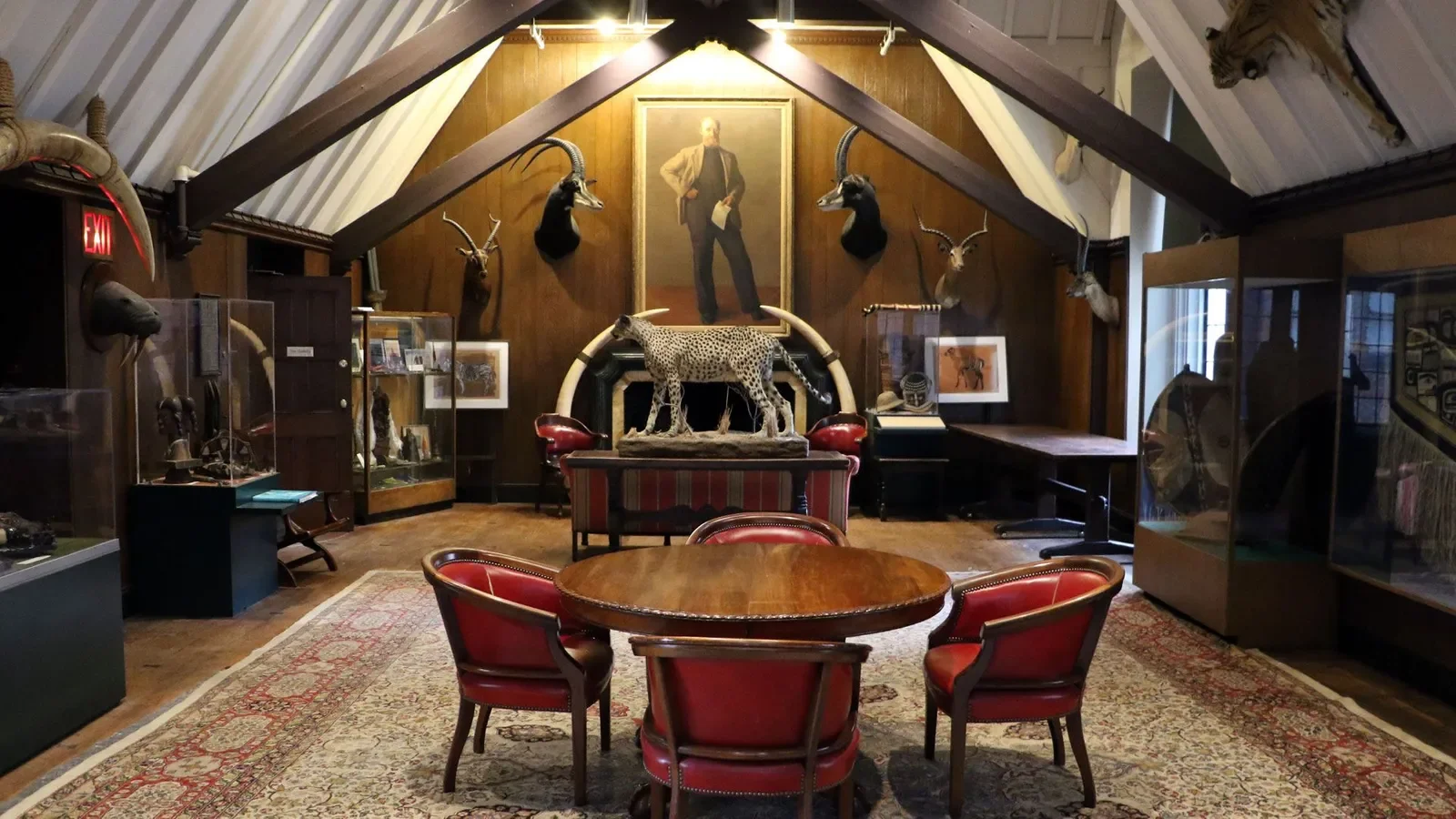
Inside the townhouse in New York which houses the headquarters of The Explorers Club. Photo: Mike MacEacheran
In my application, I made the case based on my contributions to advancing public understanding of exploration, science and geography through both journalism and academic research. As a freelance adventure journalist, I’ve written over 500 articles for major outlets including ExplorersWeb, National Geographic UK, Sidetracked, The Guardian, Financial Times, and Outside, with a focus on exploration, environmental issues, and the evolving ethics of adventure, particularly in the polar regions. My aim has been to engage a wide audience through critical, geographically informed reporting and storytelling.
Alongside this, my academic career (my day job) spans over a decade in public health and medicine, with some research examining the relationship between the environment and human health. Relevant highlights include co-authoring a chapter in the UK Chief Medical Officer’s 2024 Annual Report and co-leading delivery of a major randomised controlled trial that integrated wearable activity monitors, GPS data, and mapping into school geography lessons.
Through both public communication and interdisciplinary research, I aimed to demonstrate a strong alignment with the Club’s mission to advance exploration and scientific understanding, and I’m hugely pleased to say they agreed.
Why Become a Fellow?
I applied to join the Club to connect with like-minded people working across exploration and related fields. The Explorers Club is, at its core, a meeting point, a place where explorers come together to share ideas, experiences, and future plans for expeditions that expand our understanding of the world.
I was also drawn to the Club’s events, lectures, and global network, as well as its support for field research through grants and expedition backing.
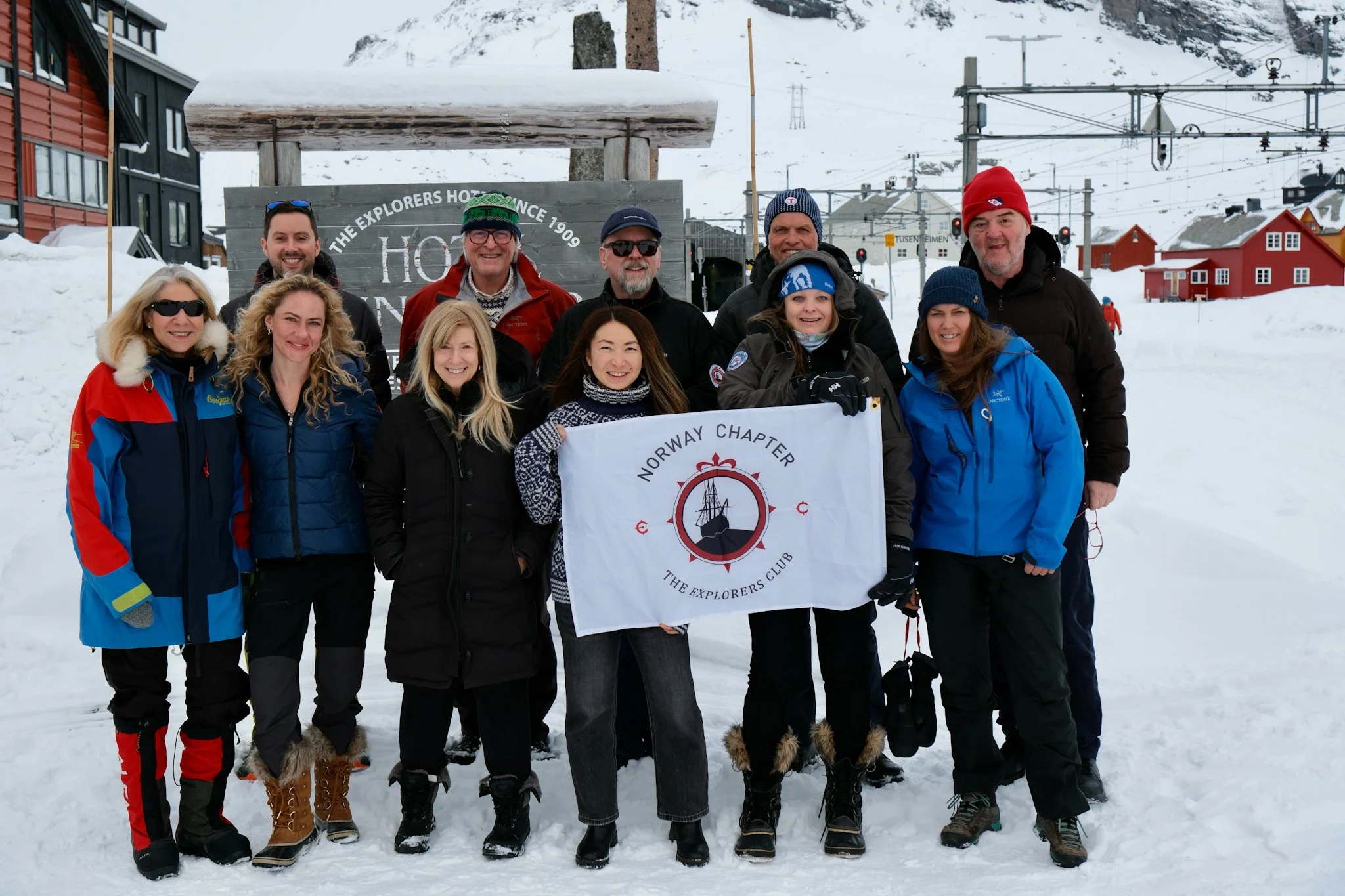
Me (back left) with members of the Norwegian chapter of The Explorers Club in February 2026. Back row second on the right is Erling Kagge, the well known polar explorer, writer and publisher.
What I’m particularly interested in is the opportunity to engage more closely with a community of people actively involved in expeditions and fieldwork, and to learn from those working at the forefront of modern exploration.
I hope to honour the Club’s legacy of exploration through my writing, continuing to introduce readers to the more remote and lesser-known corners of our planet by reporting on expeditions. Exploration today may look different to how it did in the past, but the need to understand these places, and the challenges they face, remains as important as ever.
